RSM Cultural Day Potluck

News

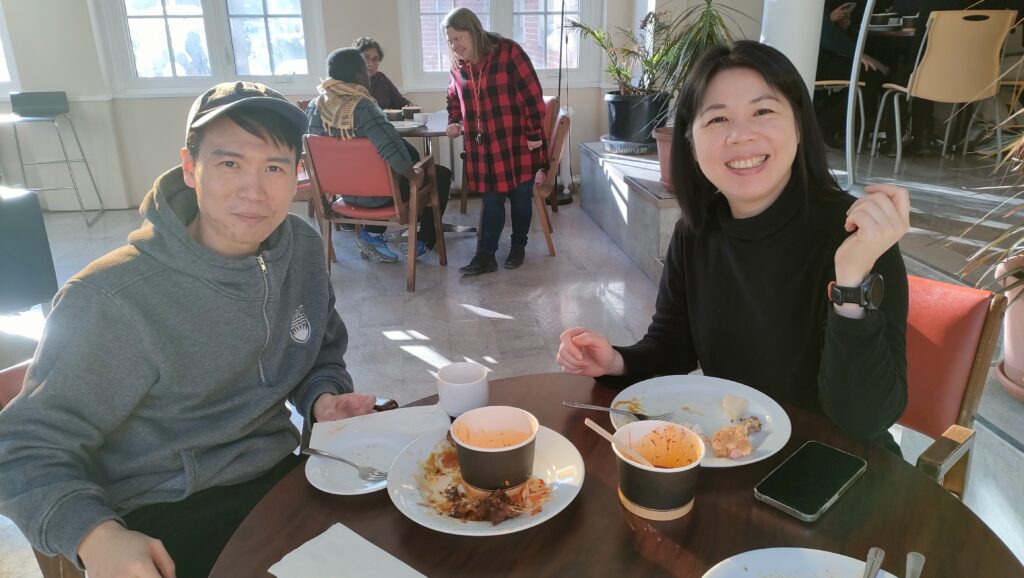
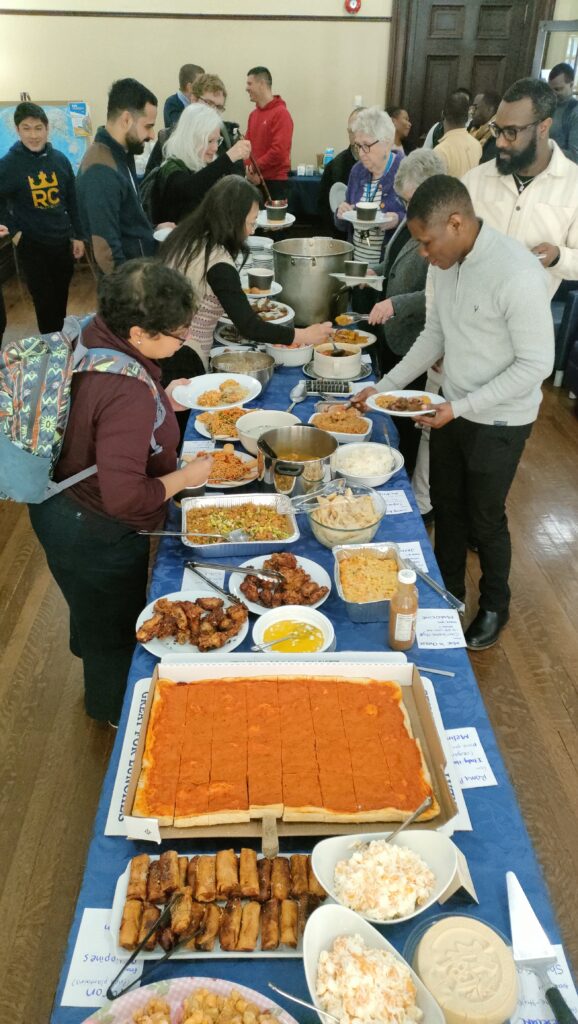
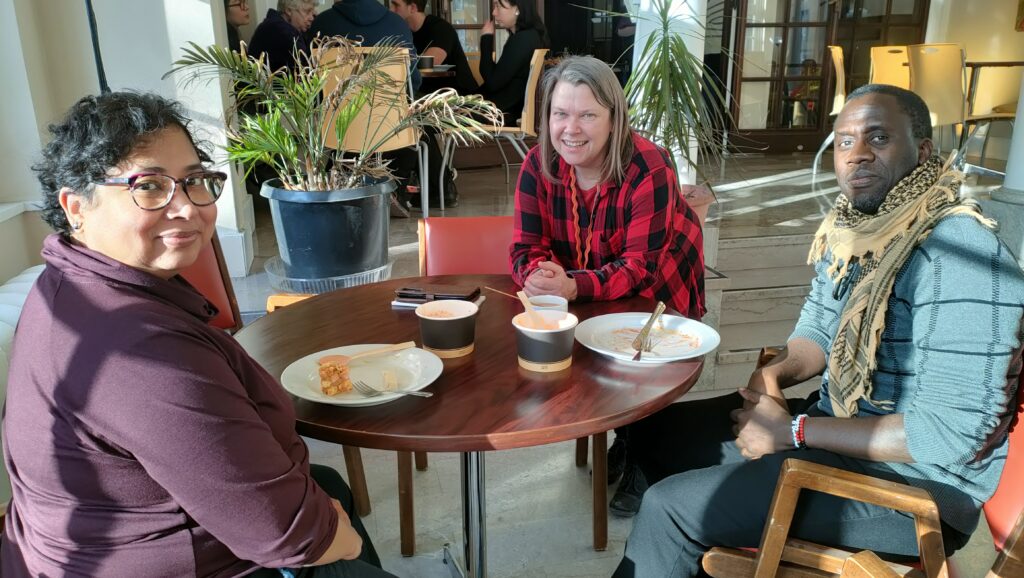
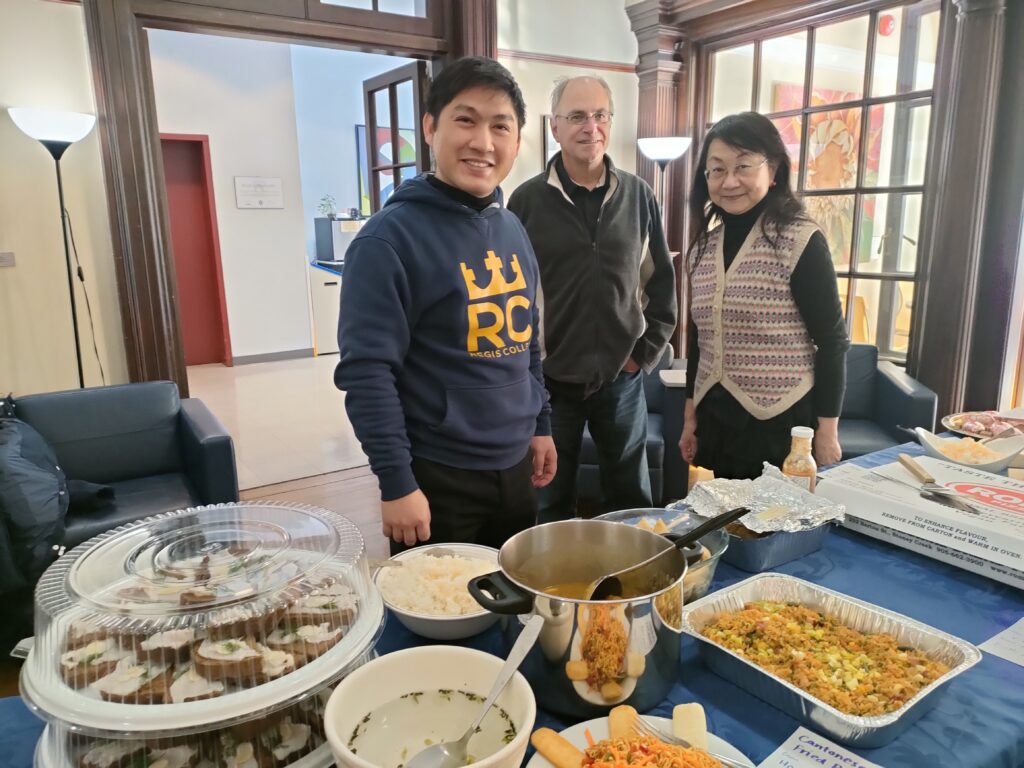
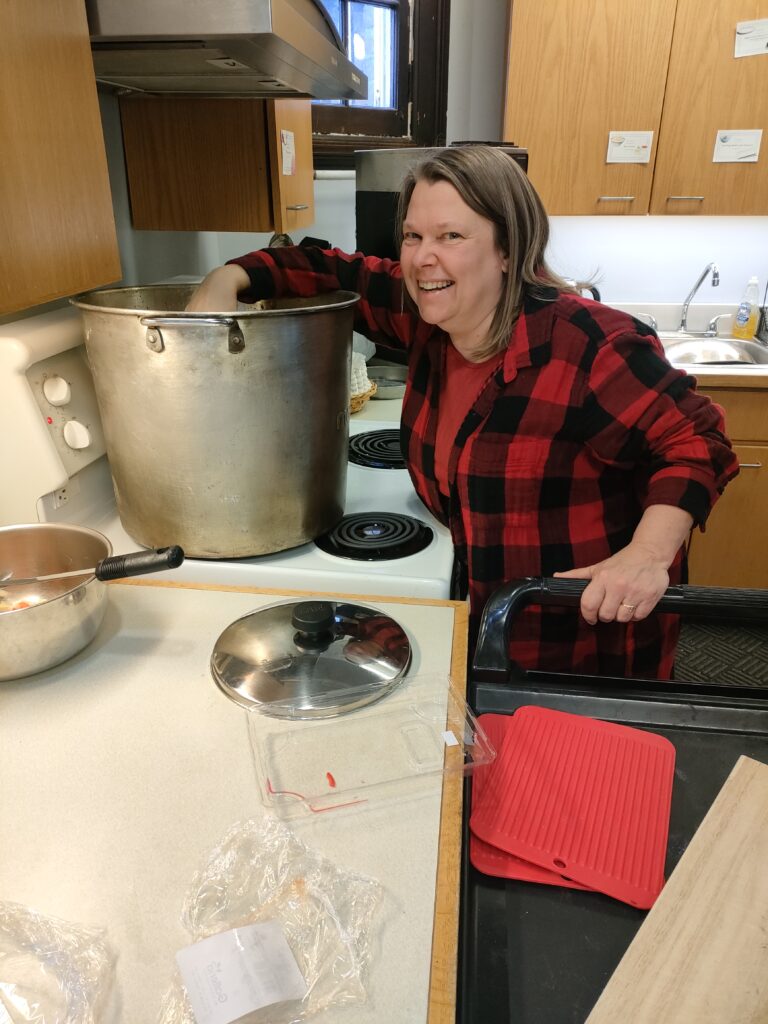
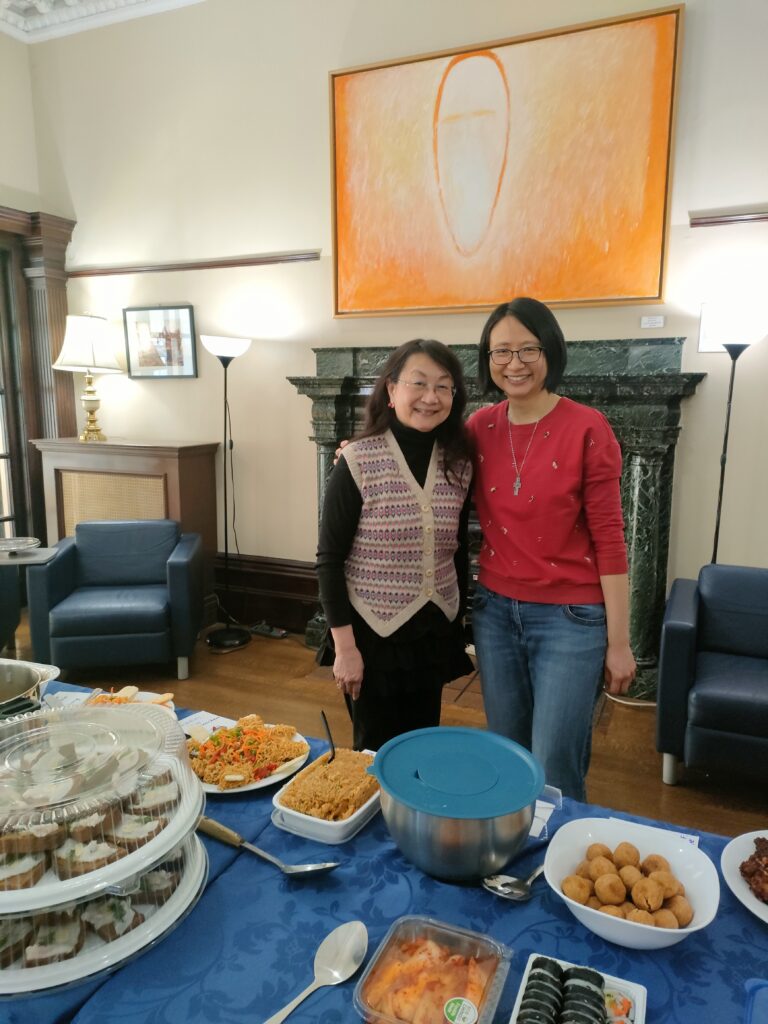
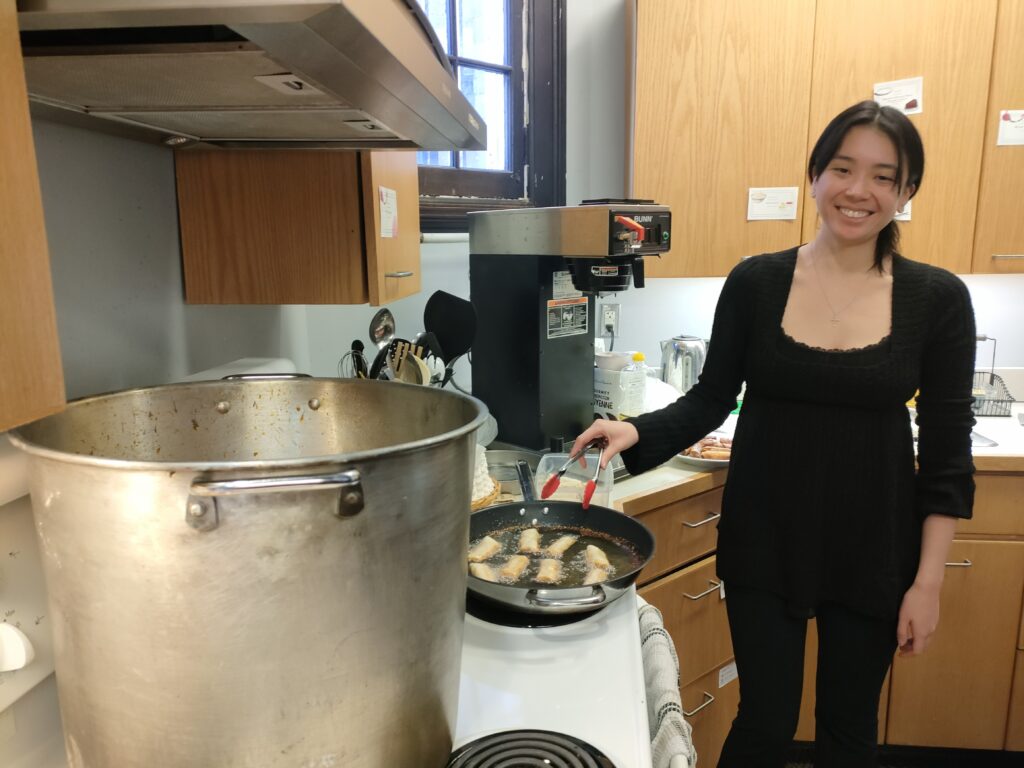
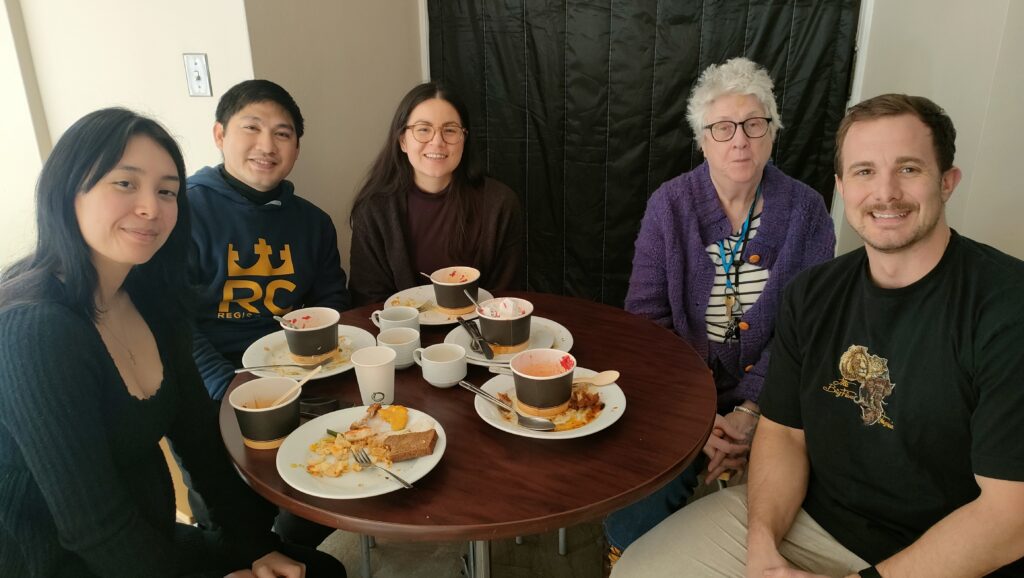
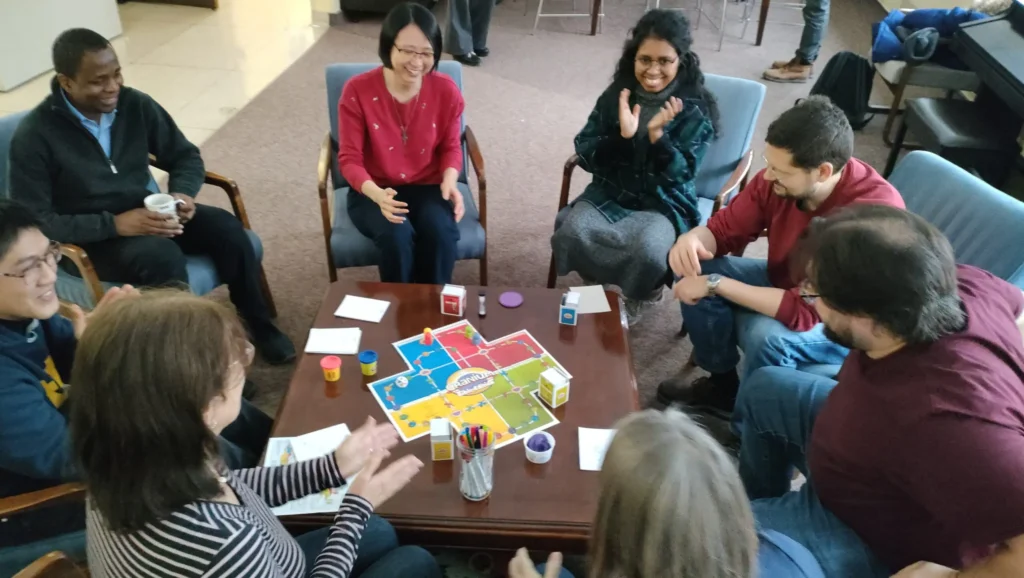
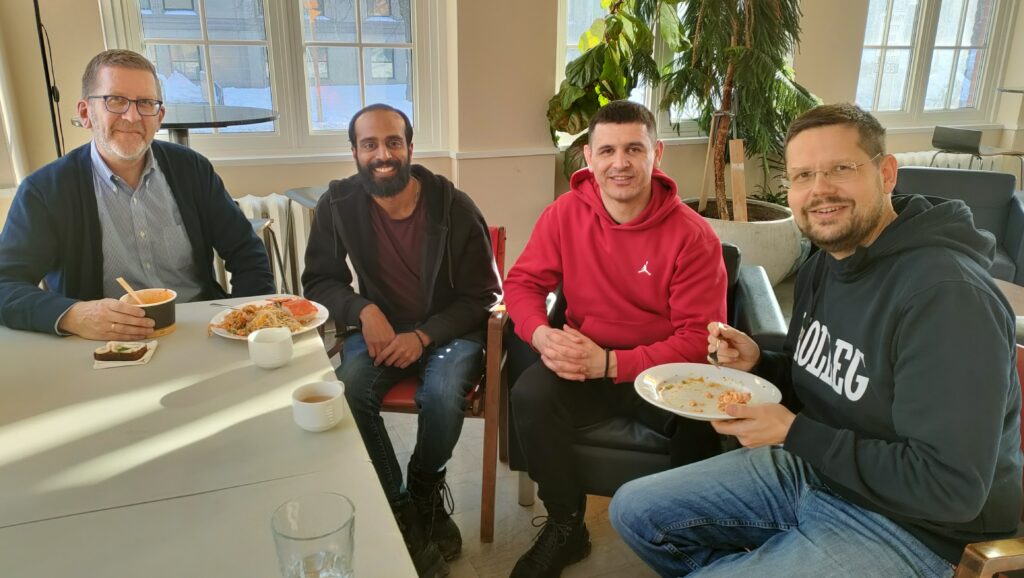
What a wonderful and eclectic feast the RSM community enjoyed at the Cultural Day Potluck last Wednesday! From Ukrainian borscht soup to Haitian goat stew to fried turon from the Philippines, the deliciousness of the food was eclipsed only by the warmth of the company. The Student Council would like to thank all who contributed their time and effort to this truly enjoyable event. And there’s more: stay tuned for pancakes this Wednesday!

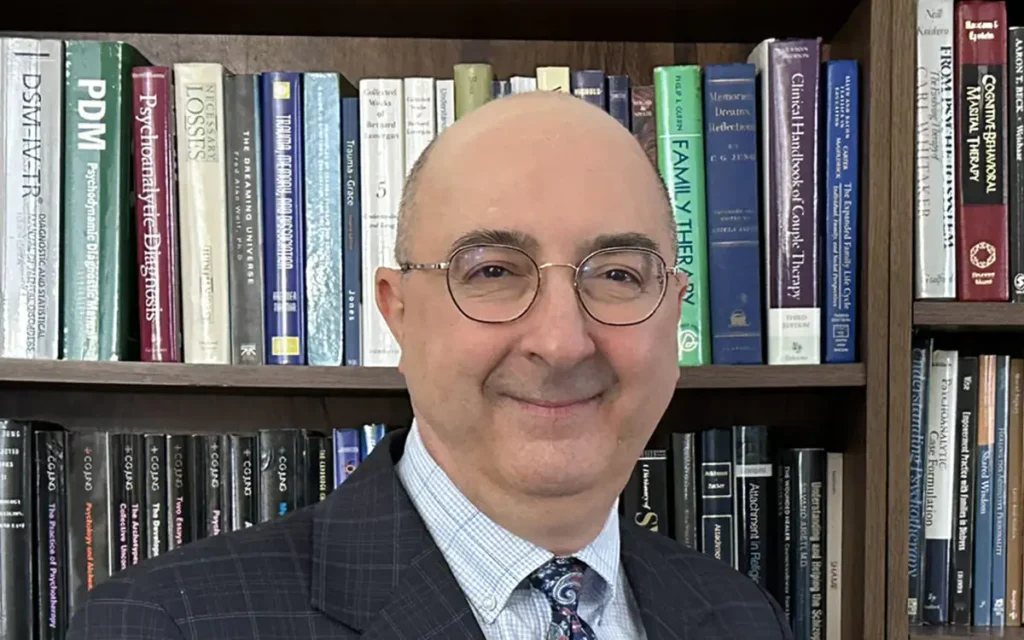
Congratulations to Prof. Desmond Buhagar, SJ on receiving the Senior Research Award – Canadian Association for Spiritual Care (CASC/ACSS)

This award recognizes a distinguished member of CASC/ACSS whose sustained body of scholarship has significantly advanced the theory and practice of spiritual care and psychotherapy in Canada. This honour highlights rigorous and innovative research that has shaped professional standards, enriched clinical practice, and inspired future generations of researchers.

Recipients embody the highest commitment to academic excellence, mentorship, and service to the profession, and their work reflects CASC’s mission to integrate compassionate care with scholarly leadership.

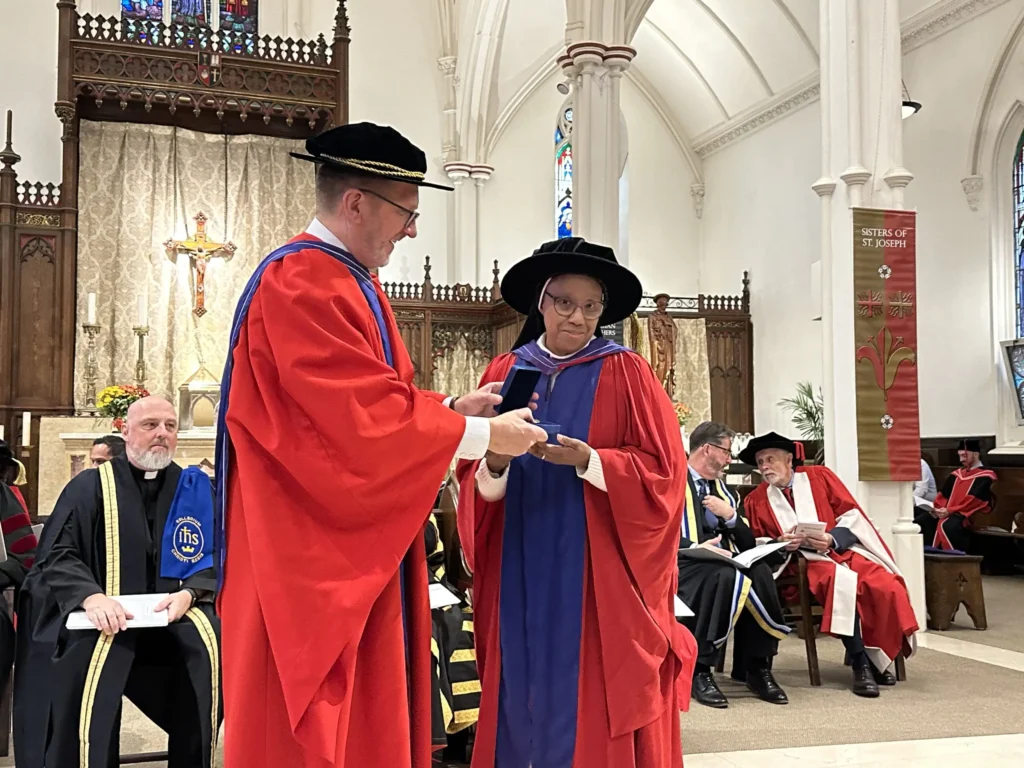
The Regis St. Michael’s Faculty of Theology offers our warmest congratulations to Sr. Carla Thomas, OP, on being named the 2025 recipient of the Governor General’s Award. The award is presented annually to the doctoral student with the highest academic standing.

Sr. Carla was to receive her medal at the inaugural convocation for the Regis St. Michael’s Faculty of Theology, held Saturday, Nov. 8, at 2 p.m. in St. Basil’s Church.

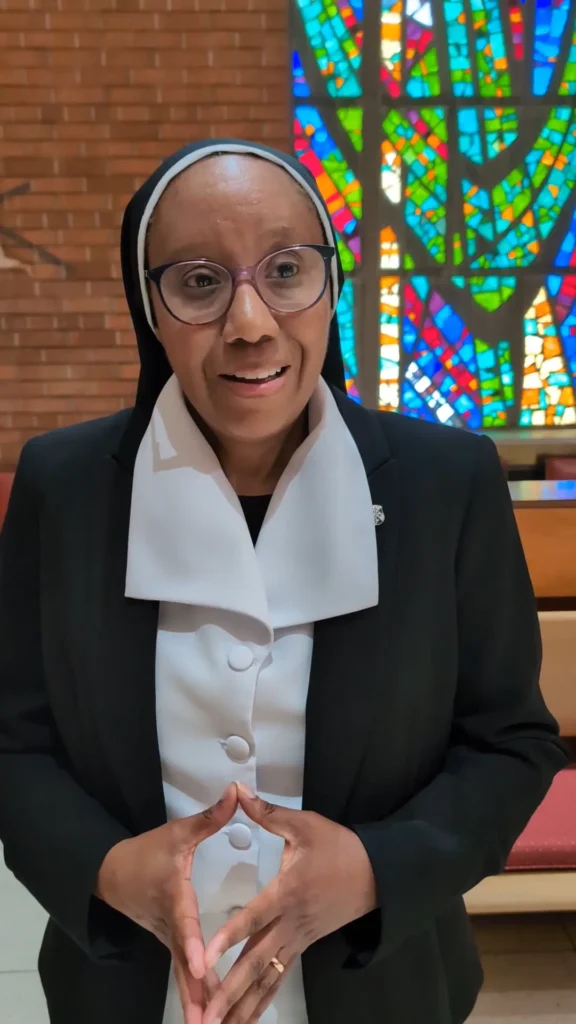
“It is incredible,” says the Guyanese-born Sister, who belongs to the Congregation of Dominican Sisters of St. Catherine of Siena of Étrépagny in Trinidad and Tobago. “I feel immensely grateful.”


Long interested in adult faith formation, Sr. Carla enrolled in the St. Michael’s Faculty of Theology in 2017 to work on a Master of Theological Studies (MTS) degree to further her knowledge, a move she notes was fostered, encouraged and organized by her congregation.

“All credit goes to my congregation,” she says, adding that the general prioress at that time, Sr. Therese Antoine, and other sisters found St. Michael’s appealing for a variety of reasons, ranging from a Dominican presence at St. Michael’s, and in the city, to the Catholic ethos underpinning the faculty.

Once enrolled, Sr. Carla was encouraged by the supportive, dynamic community she found. She also appreciated the ecumenical approach she discovered on campus, including the presence of the Metropolitan Andrey Sheptytsky Institute of Eastern Christian Studies (MASI), as well as the opportunities to take courses at all the other member colleges of the Toronto School of Theology along with the courses offered at St. Michael’s.

As her MTS studies were wrapping up, Sr. Carla discerned a desire to further deepen her knowledge and was encouraged to enrol in a doctoral program. Inspired by her own ministry contexts and the need she felt for her research to connect with the works of her religious congregation, she pursued a thesis examining Pope Francis’s contributions to family life in contexts marked by colonial histories. Her dissertation set out to propose recommendations of themes and orientations for a regional pastoral strategy aimed at accompanying the various kinds of families present in the Anglophone Caribbean. She points out that while family life is a pressing concern for the global church, the legacy of colonialism has long complicated the Church’s ministry in the region on this issue. This dissertation takes its place in the trajectory of studies by other scholars from the Caribbean who have wrestled with this subject. However, in scope and ecumenical attentiveness, it seems to be the first of its kind from a Roman Catholic perspective.

Sr. Carla undertook this research because she is mindful of the people she has encountered in her ministry who give endlessly of their time and talents to the Church but also face many challenges with church norms and teachings about family.

“I wanted my dissertation to reflect how theology impacts people,” she says.

Now finished her studies, she hopes to continue the work she has been doing with the Regional Seminary of St. John Vianney and the Uganda Martyrs in Trinidad and Tobago, work she had been engaged in for the final two years of her studies.

She was also selected recently to participate in the 2025-2026 cohort of an international panel of women religious theologians, an initiative of the International Union of Superiors General (UISG), where she will use her theological training to examine challenges and opportunities that will loom large for consecrated life and the Church in the future.

As she reflects on her time in Toronto, Sr. Carla calls on a phrase coined by Dominican theologian Timothy Radcliffe to describe her experience.

“There is an ‘ecology of flourishing’” she says of life at Regis St. Michael’s. At RSM she found an eco-system of relationships, community and concern for the wider creation which enriched her studies.

“Sr. Carla has been a wonderful addition to life and learning of Regis St. Michael’s. An insightful and inspiring person, we are grateful she selected RSM for her doctoral work because our community has been enriched by her presence. We are confident she will go on to do important work in service to the Church, the academy and her community,” says RSM Dean Jaroslav Skira.

Sr. Carla expresses great thanks to her supervisor, Prof Michael Attridge, committee members Prof. Darren Dias, OP, and Sr. Susan Wood, SCL, her external examiners, various faculty and staff; her friends and colleagues in the doctoral program at RSM; her family, her community, the Dominican friars and her parish in Toronto, Our Lady of Good Counsel Caribbean Canadian Catholic Church.

And, of course, “I feel immense gratitude to God, and to God’s mercy.”

Her dissertation, she says, represents the fruits of contemplation, discovered both in prayer and in hard work in the library.

“I have a sense of gratitude and fulfillment,” she says, adding that she is keen to share her work with Caribbean theologians as well as people here in Toronto.

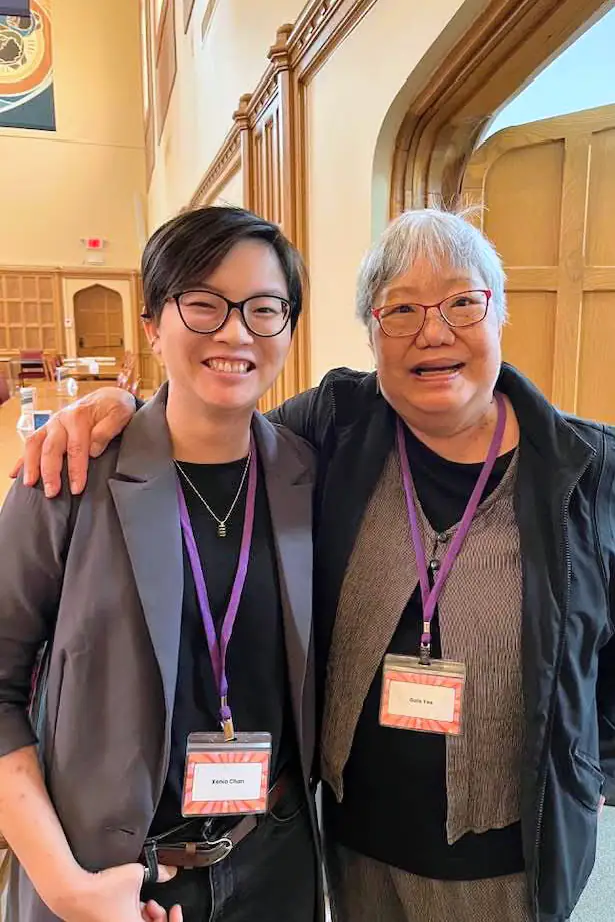
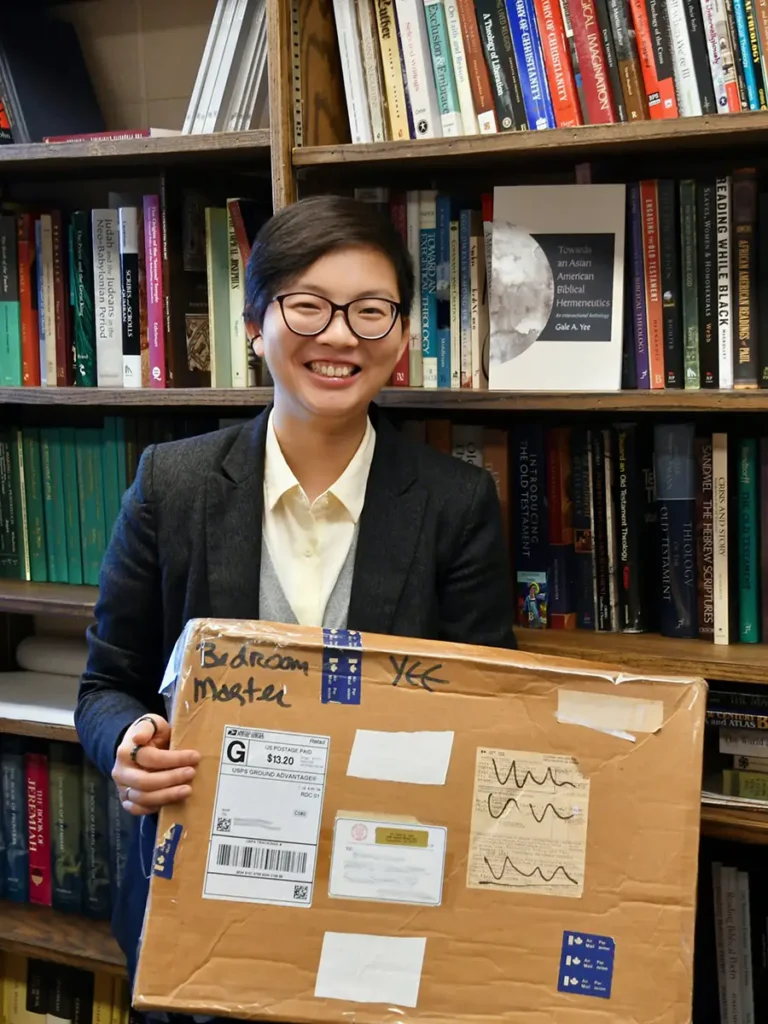
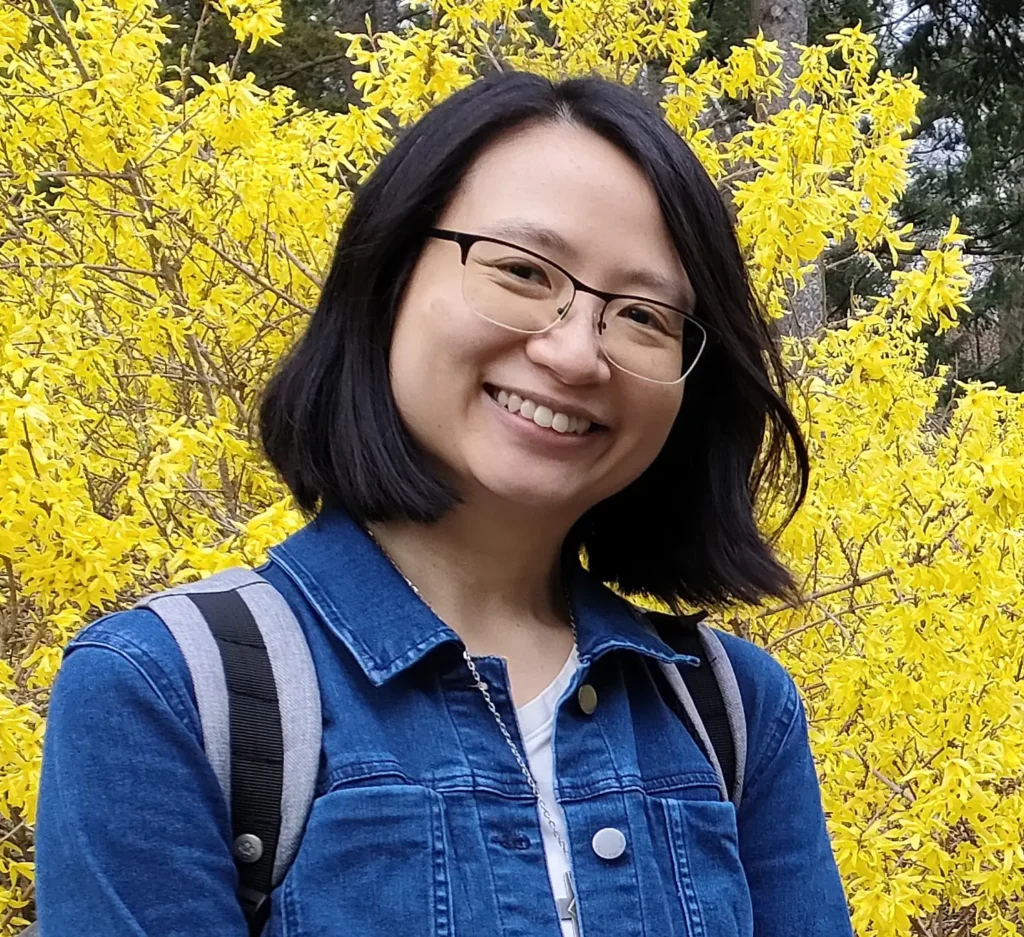
Xenia L. Chan believes in the importance of rituals, so when she marks the official completion of her PhD degree from the Regis St. Michael’s Faculty of Theology (RSM) at the coming convocation, there’ll be not only the usual pomp and circumstance but a very special added touch. The moment will be steeped in symbolism as she pays tribute to those who have paved the way for her, wearing the regalia of one of her mentors and fellow alumnae, Gale A. Yee.

“Rituals are very important, and I think I need this ritual to make this accomplishment finally feel real,” Xenia says.

Xenia has earned a Doctor of Philosophy in Biblical Studies from Regis St. Michael’s and completed her thesis on “My Mother is My Grave: A Transpacific Sinophone Archive of Horror in Jeremiah’s Confessions,” under the supervision of Dr. John L. McLaughlin. Her research delves into Asian and Asian American/Canadian hermeneutics, the theory and methodology or interpreting sacred texts, as well as human experience and actions, specifically in how Asian American/Canadian literary studies can contribute to a different reading of the book of Jeremiah.

“I was particularly interested in how Asian and Asian American/Canadian hermeneutics have shifted and changed over the last 20 years or so. I’d noticed that people were eager to talk about Asian and Asian American hermeneutics, and I wanted to contribute to continuing the project of both exploring the contours of this kind of reading and discovering what happens when we bring transpacific studies into the conversation,” she says.

Xenia studied political science and history at the undergraduate level before embarking on careers in journalism, campus ministry, and then pastoral ministry in a diaspora Protestant church context. She pursued a Master of Divinity from Tyndale Seminary and was then encouraged to apply to the doctorate program at the Toronto School of Theology.

“I found Regis St. Michael’s to be an incredibly generative space where we had the opportunity to be creative together. At RSM, we were encouraging to think out of the box, which really allowed for ideas and relationships to flourish,” she says.

Influential to Xenia’s research was her thesis supervisor, Prof. McLaughlin. “I not only appreciated his feedback on my thesis, but I knew he cared for me as a whole person and not just for the work that I produced,” she says.

Her work also builds on the research of preceding Old Testament/Hebrew Bible scholars, including Prof. Yee. “My academic journey is only possible because she paved the way and it means so much that we’re both St. Mike’s grads,” says Xenia, adding, “It’s awesome to meet your heroes and they live up to the hype. For me, Gale not only lives up to the hype. She’s exceeded it—because not only is she an amazing scholar, she’s also a phenomenal human being.”

Arrangements to pass on Yee’s regalia were made when the two finally met in person at an annual meeting of the Society of Biblical Literature. Despite their overlapping research, they had only conversed online and were friends on Facebook. Yee had asked whether Xenia had acquired robes for convocation and when Yee learned she had not, she offered hers. Xenia was stunned with this sentimental and generous gesture.

“Ever since meeting her I’ve been impressed with her scholarship and I’m proud of who she’s become. I’m glad to know somebody will continue to wear the robes,” says Yee.

Yee grew up in Cincinnati, Ohio, and came to the University of St. Michael’s Faculty of Theology in the 1970s where she earned her Doctor of Philosophy degree in the Old Testament. She graduated in 1985, the first Asian American to so. She went on to teach at what is now the University of St. Thomas in Saint Paul, Minnesota, from 1984 to 1998 and then the Episcopal Divinity School in Cambridge, Massachusetts, from 1998 until 2017.

In 2019, she became the first woman of colour and first Asian American to serve as President of the Society of Biblical Literature.

Yee proudly donned the St. Michael’s colours when she attended the matriculations and convocations for her teaching roles. “I loved the gown with its wonderful velvet hat because it was so flamboyant, and everyone would stop and comment —it’s a very unusual doctoral robe,” she says.

It means a lot to Yee, knowing that the robes have been passed on to another woman of Asian descent who studies the Old Testament/Hebrew Bible.

Xenia will be able to continue to wear these robes at future celebrations at Augustana University in Sioux Falls, South Dakota, where she is currently an Assistant Professor of Religion. She teaches a range of religion courses, including Old Testament/Hebrew Bible courses. She tries to incorporate the out-of-the box thinking she experienced at Regis St. Michael’s to the classes she teaches by encouraging her students to question how they categorize experiences, situations, and people and offering alternatives to writing traditional papers, all the while encouraging them to think about how religion continues to be relevant in the present.

“I try to teach my students that there’s always a little bit more nuance and encourage them to be open to new experiences,” she says. Hanging in her office is a gift from one of her students who created it for a project based on the Exodus 3:14, where God tells Moses, “I am who I am.” The glass beads refract light signifying the expansiveness of who God is and his continual faithfulness.

Having seen the lengths some young people from poor communities have to go to receive an education, Audrey Wong is very grateful to be receiving her Master of Divinity degree from Regis College on Saturday, November 8, 2025.

“I see this education as a gift and hope it will enable me to give back something, especially when working with those who are poor and on the margins,” she says. “It’s not something I asked for, but it truly was a gift.”

She came to Toronto to study theology at the request of her religious community, the Society of Sisters, Faithful Companions of Jesus (FCJ). She first learnt about the FCJ sisters when she was working as a government lawyer in her native Singapore. After joining the FCJs, she worked for several years in the Philippines, where her sisters work particularly with women and children in urban poor communities.

“I vividly remember my first trip to the poor community where one of my sisters facilitates a women’s group. We could smell the place before we could see it, because it was right next to an active landfill where people scavenged for a living. It was really hot and there were hardly any trees. People lived in little houses, sometimes made out of recycled materials. The house we were sitting in was fenced in by mattress wire, but was decorated very nicely with plants. Instead of pots, though, it had recycled Coke bottles. That was my first experience seeing what destitute poverty looks like and I realized I had lived a very sheltered existence,” she says.

“These experiences raised the question in me – how can I really be in solidarity with people who are so different and whose lives are so different from the life I’ve had? What does it mean to be in solidarity?” she says. She cites not only differences in economic backgrounds, but levels of education, and language and cultural barriers as challenges to living in solidarity. These questions prompted her to write her thesis on the topic of ‘Transcending Differences: Solidarity as Response to the “Culture of Exclusion”’, supervised by Prof. John Dadosky.

Initially, Audrey preferred her active social justice work and did not have an interest in studying theology because she thought it was abstract and divorced from the real world. “However, once I was here, I realized that theology doesn’t have to be separate from the world. The way we talk about God has real world implications,” she says.

An unexpected turning point for her came during an intersectional feminist theology class, when the main textbook that was assigned was written by Asian feminist theologian Kwok Pui -lan. “I had never read anything by an Asian woman talking about God before. Suddenly, I could relate to what she was writing and for me that was so transformative, because I realized I had grown up reading Western writers – mostly men – write about Christianity and had never realized how that had alienated me both from myself and from God,” she says. “I suddenly realized that my experiences are also valid, and that I could also have something to say about God.”

While at RSM, she has continued to be involved with her community’s social justice initiatives, including working with refugees at the FCJ Refugee Centre in Toronto. “It was interesting because I was witnessing the difficulties that they face coming to a new country, but also the hope they carry for their new lives,” she says.

She has also been grateful for the opportunity to help build community at RSM. As part of the student council, of which she is currently the chair , she has enjoyed organizing social events, especially at the beginning of the semesters, as a way to make new students feel welcome and introduce them to the city in a fun way.

Having unexpectedly developed an interest in theology, Audrey is staying on at RSM to pursue a PhD. Her thesis topic will connect theology and drug policy. This arises from her experiences in the Philippines, where she witnessed some of the effects of a brutal war on drugs that resulted in thousands of extrajudicial killings, mostly of people from poor communities. She was involved in a research project there that revealed some correlation between people’s image of a punitive God and their support for the killings. “Through this example, I can see that the way we talk about God and the way that we form people can have real world consequences, some of which are quite deadly,” she says.

It is her hope that the gift of an education will help her to walk more faithfully in solidarity with those on the margins of society.

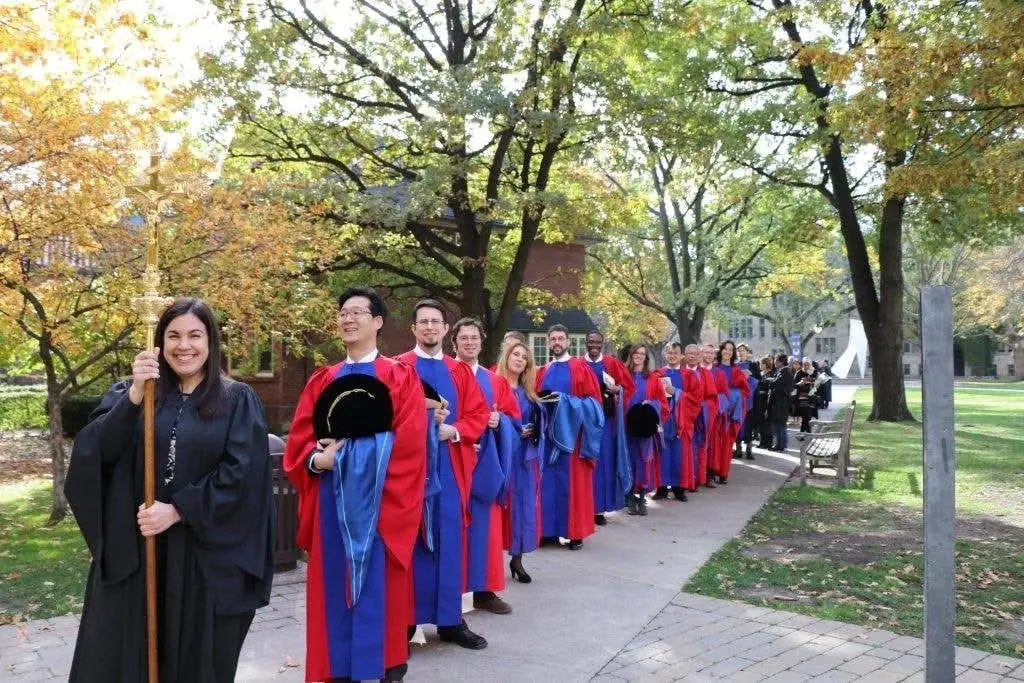
The Regis St. Michael’s Faculty of Theology will mark a major milestone in the federation of the two colleges as it celebrates its first graduating class at its inaugural Convocation Ceremony on Saturday, November 8.

“The University of St. Michael’s College entered into federation with Regis College with the firm conviction that, together, our institutions’ Basilian and Jesuit charisms would become something greater than the sum of their parts. This common ceremony proves that the Regis St. Michael’s Faculty of Theology is something greater, both through the new united vision of its faculty, staff, and students, and through the immense accomplishments and quality of this year’s graduates,” says St. Michael’s President David Sylvester.

In 2022, the University of St. Michael’s College Faculty of Theology federated with Regis College to create a single academic entity known today as the Regis St. Michael’s Faculty of Theology.
“Regis St. Michael’s is a creative, learning community shaping future faith leaders, schooled in the depth of the Catholic tradition and prepared to serve the global Church and the world in innovative ways,” says Regis President Fr. Gordon Rixon.

For the first time, 33 graduands of St. Michael’s and Regis will be honoured in a joint ceremony held in the historic St. Basil’s Church. Graduates and honoured guests will participate in an academic procession and walk through Scollard Park. The procession will be led by St. Michael’s Chancellor Archbishop Frank Cardinal Leo and Regis Chancellor and Jesuit Provincial Fr. Jeff Burwell, SJ.

Archbishop Leo will present St. Mike’s alumnus Mr. John Bennett with an honorary degree. Mr. Bennet has long served as an active member of the St. Michael’s community and was instrumental in the federation of Regis St. Michael’s. Regis Jesuit Community Rector Rev. Dr. Michael Kolarick, SJ will give the convocation address.

“Convocations are a time of immense joy, and so important for marking such significant achievements of students – of all the study, reflection and community engagement. I especially enjoy meeting the family, friends and loved ones who have accompanied our students in their vocational and ministerial aspirations in service of the Church and world,” says RSM Dean Jaroslav Skira.

Following the ceremony, graduates and their guests are invited to a reception held at Regis College, a historic Toronto landmark

Congratulations to RSM’s Class of 2025; we look forward to celebrating with you.

The Regis St. Michael’s Faculty of Theology (RSM) has reached an important new milestone with the reception of two significant grants totalling $2.8-million CDN from the Lilly Endowment’s Pathways for Tomorrow Initiative.

The University of St. Michael’s College will use a grant of $1.4-million CDN to help establish the Canadian Centre for Catholic Pastoral Leadership (CCCPL), designed after national consultation with bishops, priests and lay pastoral leaders, to offer continuing education across the country. The CCCPL will be directed and developed by RSM and administered by St. Michael’s Continuing Education division. A wide variety of topics will be covered in course offerings, workshops and communities of practice, from learning how to offer spiritual direction through to managing capital projects.

Regis College has been awarded a grant of $1.4-million CDN to support the establishment of Walking in Service, an initiative to develop educational resources and programs to support the community-based formation of congregational leadership in Catholic Indigenous communities in Canada. Offerings will range from professional development workshops to newly developed courses. Adjunct faculty and community-recognized Elders with competencies in Indigenous pedagogies, ways of knowing, cultures and history will be hired to teach, mentor students, and support curricular development.

“When Regis College and St. Michael’s Faculty of Theology federated in 2022 this was precisely the kind of programming we envisioned offering by building on our respective talents and expertise,” says University President David Sylvester. “We have a mandate to serve the Church and the community, and these innovative new initiatives will provide vital training and support to two of our most important communities.”

The Walking in Service initiative was developed after significant consultation with Roman Catholic Indigenous communities in Ontario and Quebec, notes Fr. Gordon Rixon, S.J, President of Regis College, and was inspired by Pope Francis’s 2022 Penitential Pilgrimage across Canada.

“This is a significant moment in Canadian theological education, as Walking in Service will be based in trauma-informed theological education, respecting Indigenous self-determination, while incorporating land-based and cultural relevant pedagogies,” Rixon says.

In preparation for launching the two initiatives, RSM will invest in upgrading technology to ensure smooth delivery of those classes delivered online, and faculty will receive training on effective online pedagogy. The grants will also allow for professors to travel, connecting, learning, and teaching with communities outside of RSM’s Toronto base.

CCCPL programming will begin to roll out in the spring of 2026, while Walking in Service will launch in January 2026.

“While Regis College and St. Michael’s each have storied histories, these grants signify a watershed moment for RSM. We are excited not only for the coming year but for the years ahead,” says RSM Dean Jaroslav Skira.

The Pathways for Tomorrow Initiative is intended to help theological schools across the United States and Canada strengthen their educational and financial capacities to prepare and support pastoral leaders for Christian congregations both now and into the future. One of Lilly Endowment’s stated goals in funding projects is “to improve public understanding of religion and lift up in fair, accurate and balanced ways the roles that people of all faiths and various religious communities play in the United State and around the globe.”

To learn more about the Canadian Catholic Centre for Pastoral Leadership or Walking in Service, please contact Emil Iruthayathas, Director, Office of the Dean of Theology at RSM, at rsm.dean@utoronto.ca or Greg Rupik, St. Michael’s Chief of Staff, at greg.rupik@utoronto.ca.

Holiness and Sainthood in Islamic Thought (SMT3378H)

An introduction to the origins of notions of holiness, spiritual charisma and sainthood in Islamic thought. Central figures that will be considered are the Prophet Muhammad, ‘Ali b. Abi Talib and a selection of figures whose lives have given shape to Islamic spiritual tradition. The course will include some examples of Christian saints and mystics as an exercise in comparative biographies.

Devotional Prayer in the Islamic Tradition (SMT3367H)

This seminar explores the historical, doctrinal, philosophical and mystical aspects of Islamic liturgical texts, namely supplications and devotions. This will introduce key Islamic texts while also engaging with Christian and Jewish approaches to prayer.

In-course awards:

Stay tuned for more details about two merit-based awards for Toronto School of Theology students registered in these courses, valued at up to $1,000 each. The courses and awards are supported by a generous donation from the Shi’a Research Institute to the Regis St. Michael’s Faculty of Theology.

For more information and to apply:

www.rsmtheology.utoronto.ca/prospective-students/degree-programs/